
Introduction & Foundational Concepts Course
Course Overview
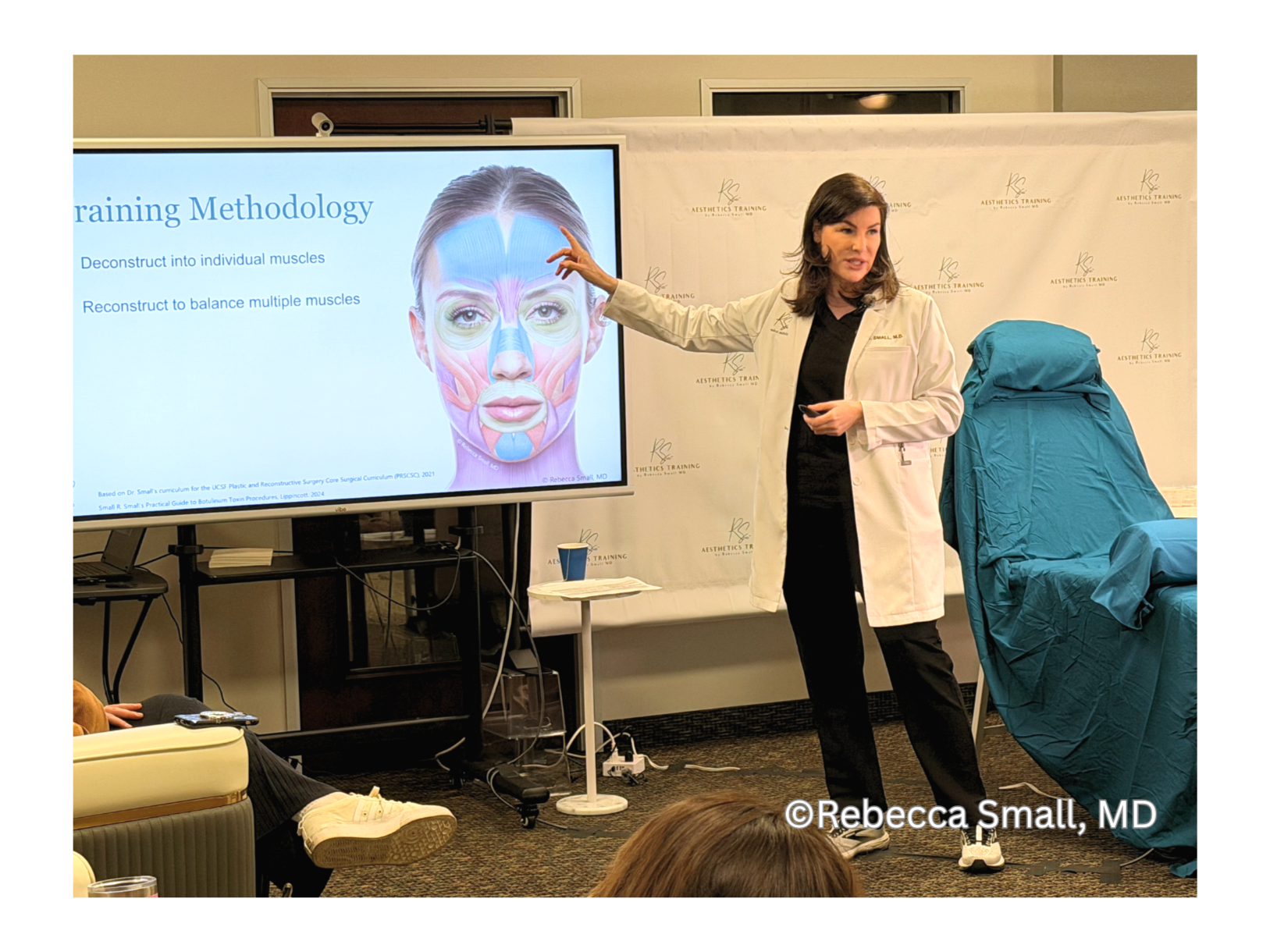
This course covers the essentials of botulinum toxin treatments, including facial anatomy, patient assessment, and injection techniques. Led by Dr. Rebecca Small, it provides expert instruction to equip participants with the skills to deliver natural-looking results and build a strong foundation for safe, effective treatments.
Measurable Learning Objectives
Identify the individual muscles to be treated with botulinum toxin for best clinical results.
Dose botulinum toxin correctly for a variety of facial areas.
Inject botulinum toxin within safety zones of the face, and avoid injecting in areas that cause adverse events.
Identify good candidates for injections and develop a treatment plan that results in success and patient satisfaction.
References
Ahsanuddin S, Roy S, Nasser W, Povolotskiy R, Paskhover B. Adverse events associated with Botox as reported in a Food and Drug Administration database. Aesthetic Plast Surg. 2021;45(3):1201-1209.
Alam M, Bolotin D, Carruthers J, et al. Consensus statement regarding storage and reuse of previously reconstituted neuromodulators. Dermatol Surg. 2015;41(3):321-326.
Cohn JE, Greco TM. Advanced techniques for the use of neurotoxins in non-surgical facial rejuvenation. Aesthetic plastic surgery. 2020 Oct;44(5):1788-99.
Jabbour S, Kechichian E, Awaida C, Nasr M. Updates in the treatment of the lower face and neck with botulinum toxin injections. Aesthetic Surg J. 2019 Mar 14;39(4):NP93-4.
Park MY, Ahn KY. Scientific review of the aesthetic uses of botulinum toxin type A. Arch Craniofac Surg. 2021;22(1):1-10.
Sethi N, Singh S, DeBoulle K, Rahman E. A review of complications due to the use of botulinum toxin A for cosmetic indications. Aesthetic Plast Surg. 2021;45(3):1210-1220.
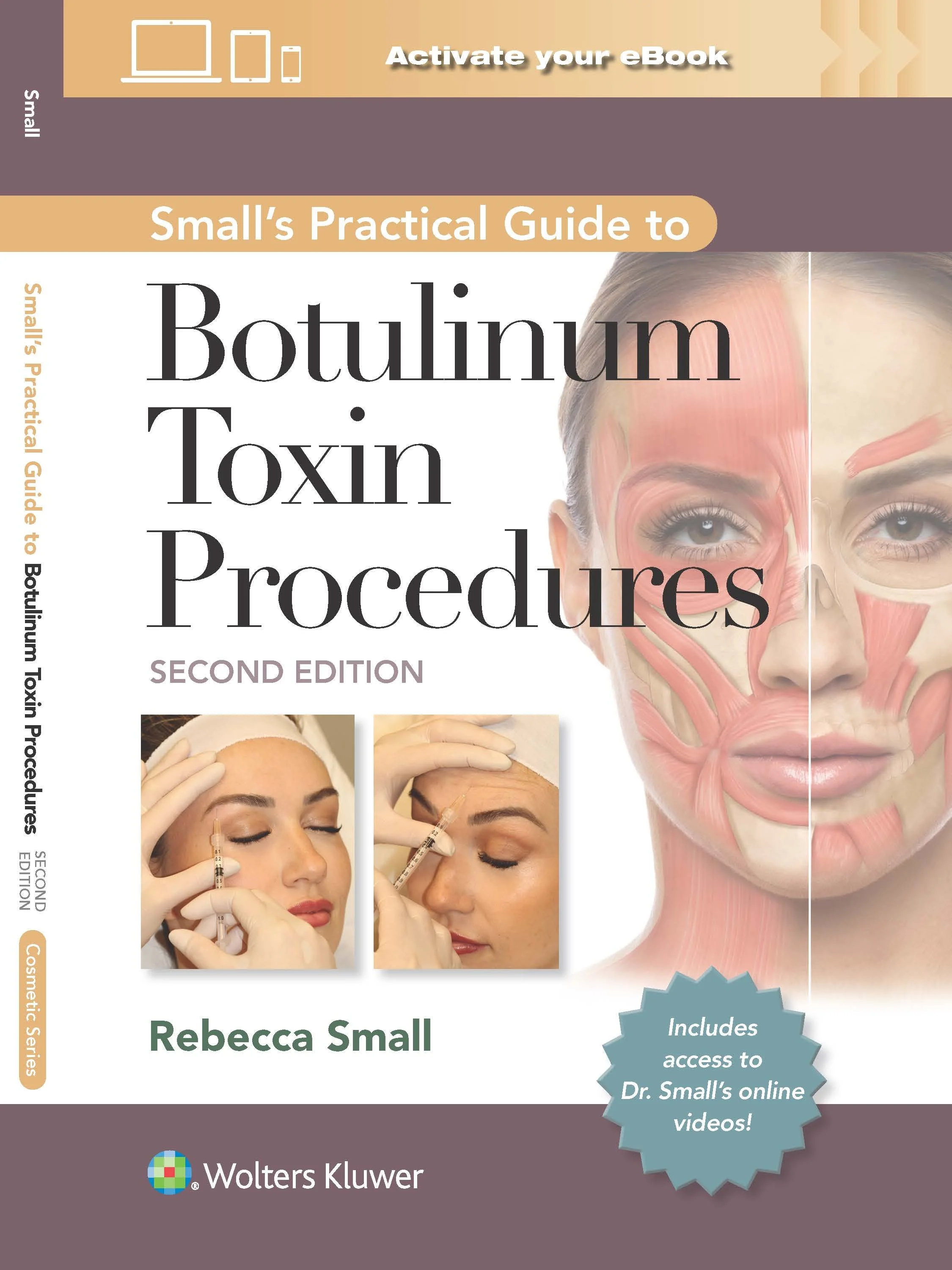
Small R. Small’s Practical Guide to Botulinum Toxin Procedures. Lippencott, Williams & Wilkins. Philadelphia, PA. 2024.
Disclosures
The planners, faculty, and peer-reviewers of the CE activity have no relevant financial relationships with ineligible companies to disclose.
Planners
Jade Ryan, MA, Ed
Meghan Craddock, RN
Jaime Shaffer
Peer Reviewer
Stanislava Matejin, MD Family Medicine Resident at Dominican Hospital.
Speaker
Rebecca Small, MD
Speaker Bio
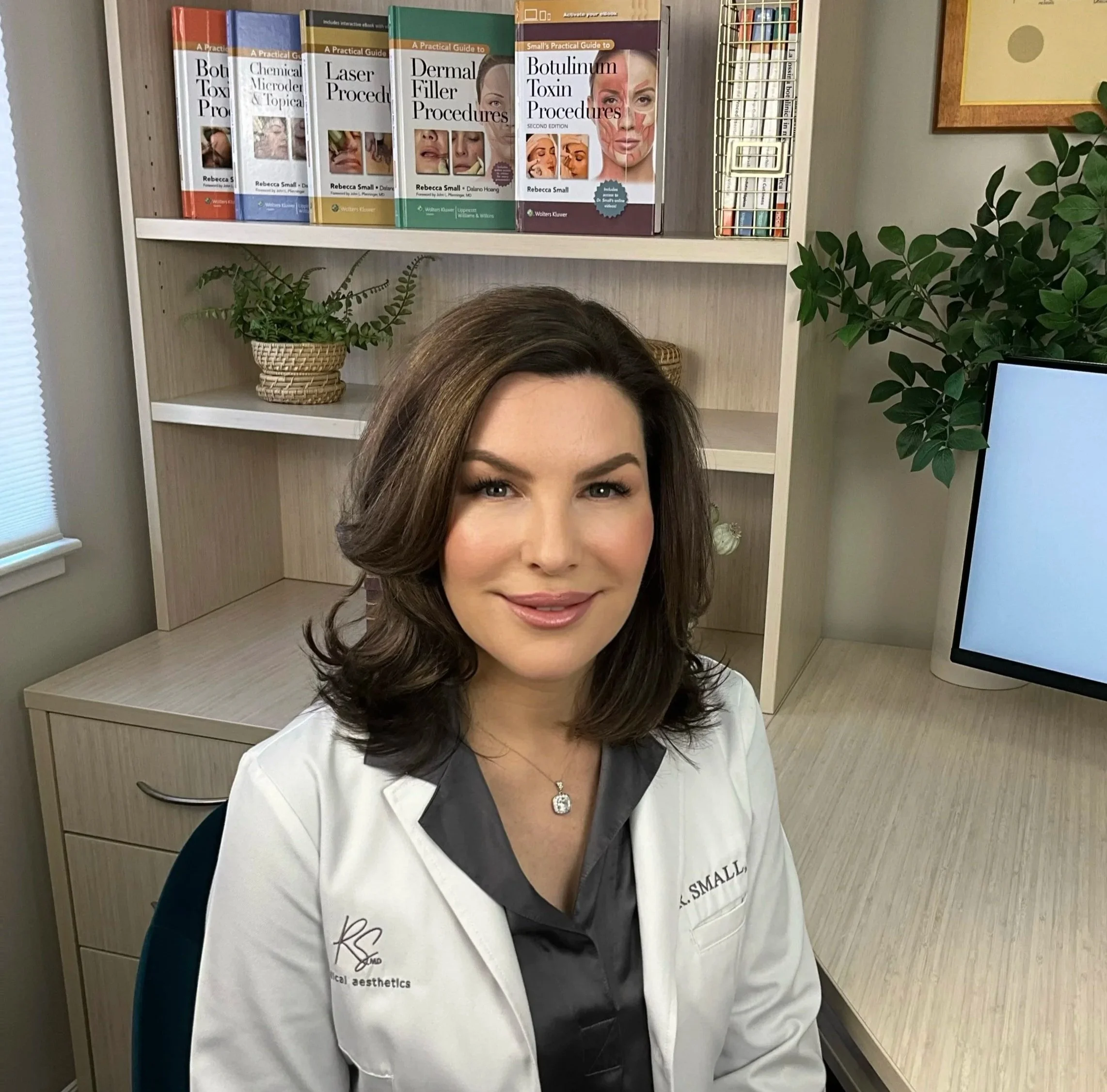
Rebecca Small, MD is a leading authority in combining non-surgical medical aesthetic therapies to slow the signs of aging. She is a graduate of Cambridge University, England, and Harvard Medical School. Dr. Small is a Clinical Professor at the University of California San Francisco (UCSF) School of Medicine where she trains Plastic Surgery and Family Medicine physicians on non-surgical medical aesthetics.
Dr. Small is also the best-selling author of the Practical Guide to medical aesthetics textbook series. The series, which covers botulinum toxins, dermal fillers, lasers, and medical skincare, has been translated into 8 languages and sold more than 50,000 copies worldwide. These textbooks consistently achieve “#1 Best Seller” in Amazon’s Plastic Surgery, Dermatology, and Laser Medicine categories; garnering more than 1,000 5-star reviews.
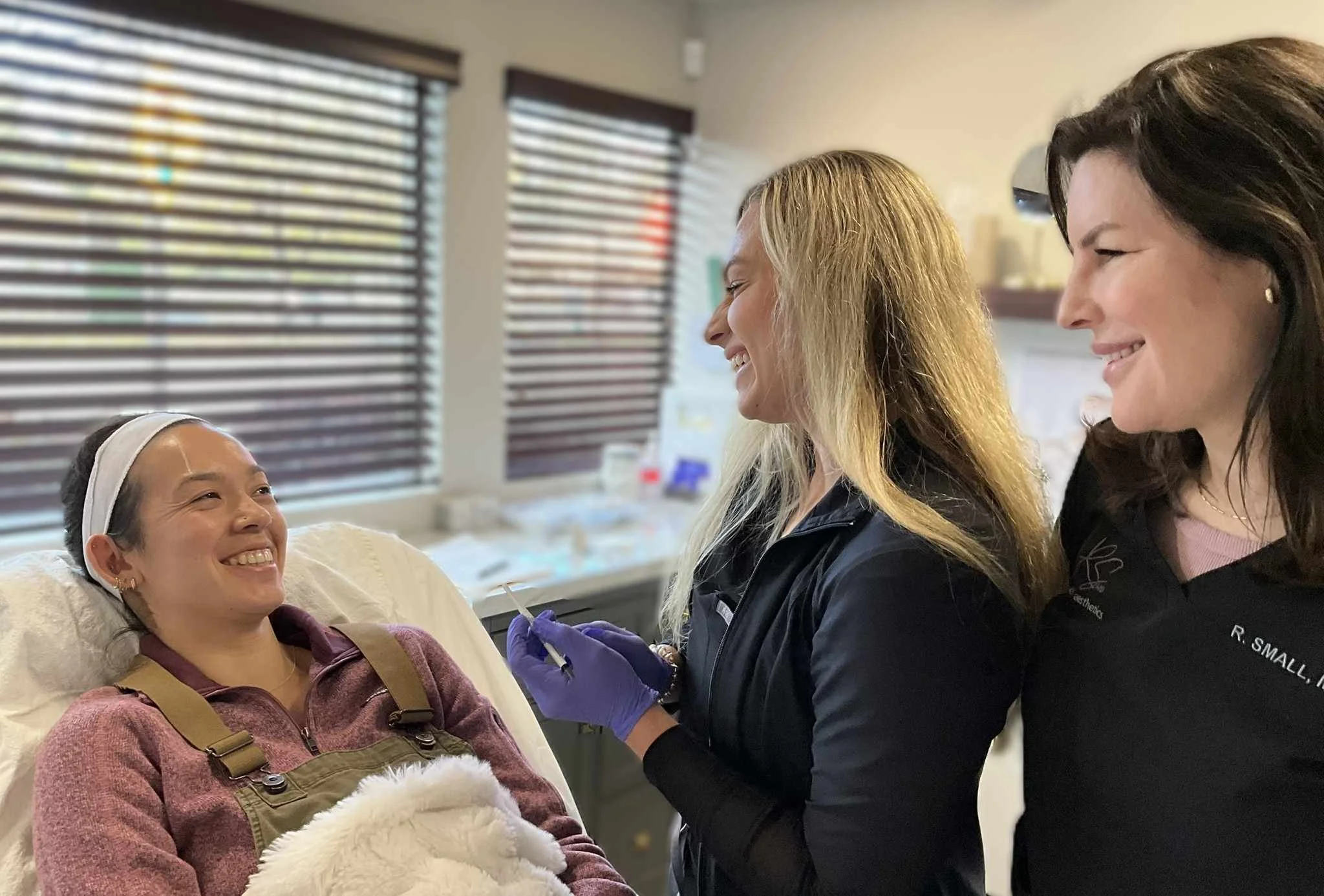
At RSMD Medical Aesthetics, Dr. Small serves as the hands-on Medical Director.
Instructions to Obtain Credit
For this module:
Launch the activity
View the module online
Read the assigned reading
Complete the RSMD Workbook for this course
Complete the post-test and obtain a passing score of 80%
Complete the program evaluation
Joint Accreditation Statement:
Provided by UAMS after approval.
Credit Designation Statements:
Provided by UAMS after approval.
Joint Accreditation Statement

In support of improving patient care, University of Arkansas for Medical Sciences and RSMD Aesthetics Training are jointly accredited by the Accreditation Council for Continuing Medical Education (ACCME), the Accreditation Council for Pharmacy Education (ACPE), and the American Nurses Credentialing Center (ANCC) to provide continuing education for the healthcare team.
Release and expiration: 4/24/26 to 4/24/29.
Credit Designation Statements
AMA Credit Designation Statement
The University of Arkansas for Medical Sciences designates this live activity for a maximum of 4 AMA PRA Category 1 CreditsTM. Physicians should claim only the credit commensurate with the extent of their participation in the activity.
ANCC Credit Designation Statement
The University of Arkansas for Medical Sciences designates this live activity for a maximum of 4 ANCC contact hours. Nursing contact hours will be awarded for successful completion of program components based upon documented attendance and completion of evaluation materials.
AAPA Credit Designation Statement
The University of Arkansas for Medical Sciences has been authorized by the American Academy of PAs (AAPA) to award AAPA Category 1 CME credit for activities planned in accordance with AAPA CME Criteria. This activity is designated for 4 AAPA Category 1 CME credits. PAs should only claim credit commensurate with the extent of their participation.
Disclosure Policy Statement
It is the policy of the University of Arkansas for Medical Sciences (UAMS), Office of Continuing Education (OCE) to ensure balance, independence, objectivity, and scientific rigor in all directly or jointly provided educational activities. All individuals who are in a position to control the content of the educational activity (course/activity directors, planning committee members, staff, teachers, or authors of CE) must disclose all relevant financial relationships they have with any commercial interest(s) as well as the nature of the relationship. The ACCME describes relevant financialrelationships as those in any amount occurring within the past 24 months that create a conflict of interest. Individuals who refuse to disclose will be disqualified from participation in the development, management, presentation, or evaluation of the CE activity.